
Answers backed by science
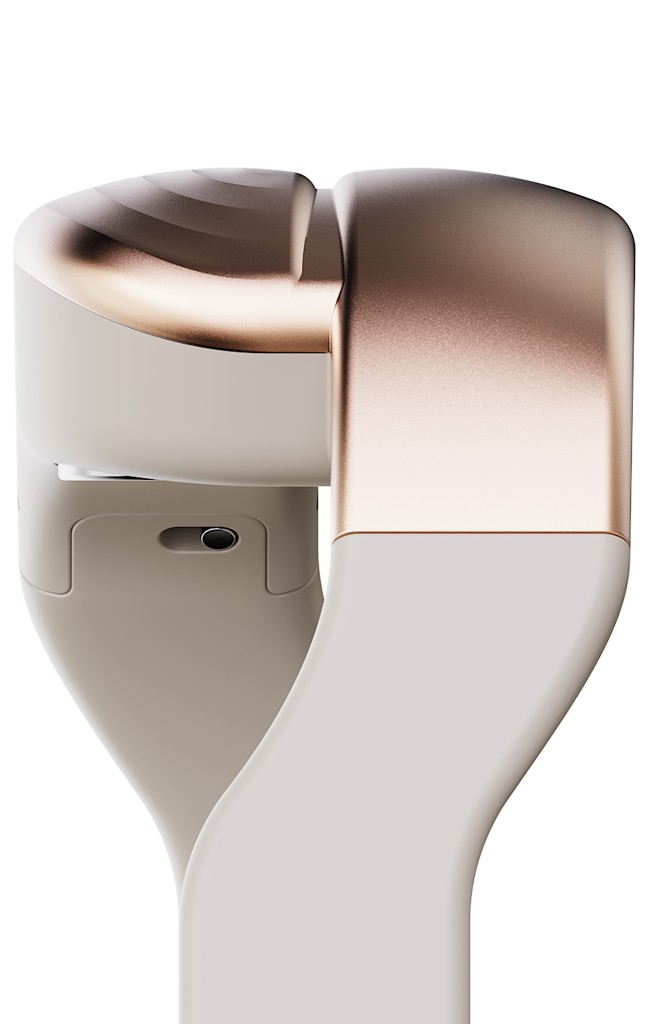
Clair uses physiological signals from your wrist calibrated to urine hormone levels to calculate your hormone insights and show how they change over time. Progesterone raises your body temperature, shifts your heart rate, and alters your sleep architecture. Estrogen modulates cardiovascular tone and heart rate variability. Clair's multi-modal sensor array captures over 130 biomarkers spanning cardiovascular, thermoregulatory, autonomic, electrodermal, and other domains, then uses machine learning models trained against hormone measurements to decode the combined pattern into physiological hormonal insights.
Clair is a full-stack wellness wearable that captures sleep, recovery, daily activity, heart rate, HRV, and performance metrics. Most women juggle three separate workflows to see this picture: a calendar app for cycle, at-home urine sticks for hormones, and fitness wearables for everything else. Clair collapses all three into one app, with the cycle as the primary signal.
A woman's HRV dropping 12% in her luteal phase looks like a recovery problem to a fitness algorithm. Clair was built from the ground up to treat female hormonal physiology as the primary signal. We use proprietary sensing modalities and train models on paired wearable and hormone data to decode what your body is actually telling you.
We believe claims about the body should meet a high bar. In early prototype testing, we compared wearable signals with at-home urine hormone tests; our models are trained on de-identified clinical data from more than 100,000 women, including blood lab results, diagnoses, and physician notes, through our partnership with Mayo Clinic Platform Accelerate. We’re also launching several studies to train and validate our production hardware, including one with the Stanford Gladstone BeeHive Initiative. As results come in, we’ll publish them here. Want to take part? Join a research study.
Unlike calendar-based predictions, Clair tracks your actual cycle as it unfolds by monitoring real-time physiological signals.